The stone gets the attention; the metal decides how the ring lives. Metal determines the color your hand sees every day, the scratches it will collect, the care it will need, and — more than anything — whether the band survives the first decade of dishes, dumbbells and desk work. Here are the four metals in our collection, compared honestly.
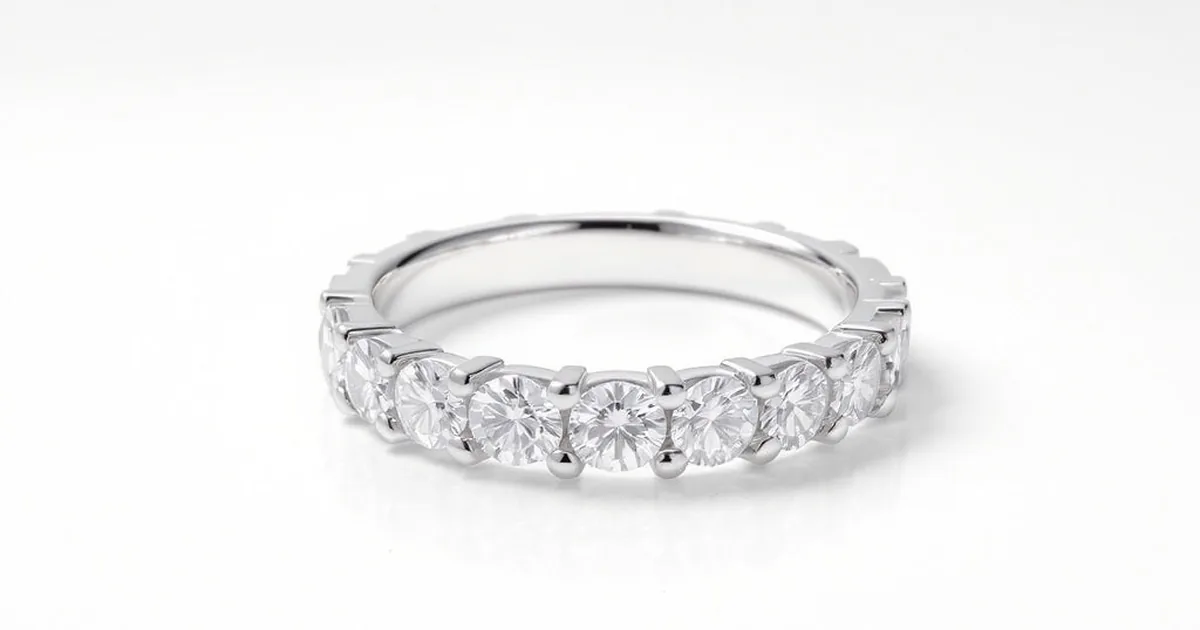
14K gold — 58.3% pure gold alloyed for strength — is the wedding industry's default for a reason: it never tarnishes, never wears through, and can be resized, repaired and re-polished for generations. White gold is rhodium-finished for its bright silvery color (re-plating every few years); yellow gold needs nothing but wear. Our 14K gold eternity bands are the pieces you buy once and hand down. The trade-off is price — gold is priced by the gram, and grams add up — and softness relative to tungsten: gold scratches, and scratches are part of its story.
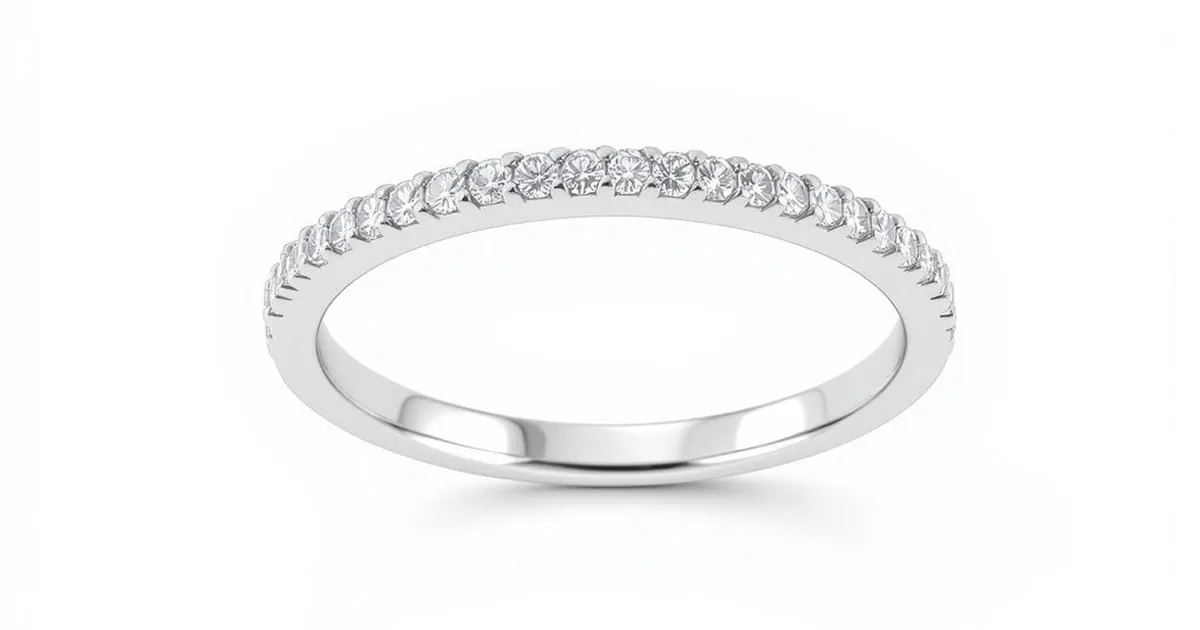
Gold-plated sterling silver — like the 2mm curved band — gives the gold look at a fifth of the price. The plating (2.5–3 micron on quality pieces) wears like plating does: years of careful wear, then re-plating. For a fashion band or a starter ring, honest economics; for a 50-year band, solid gold wins the long game.
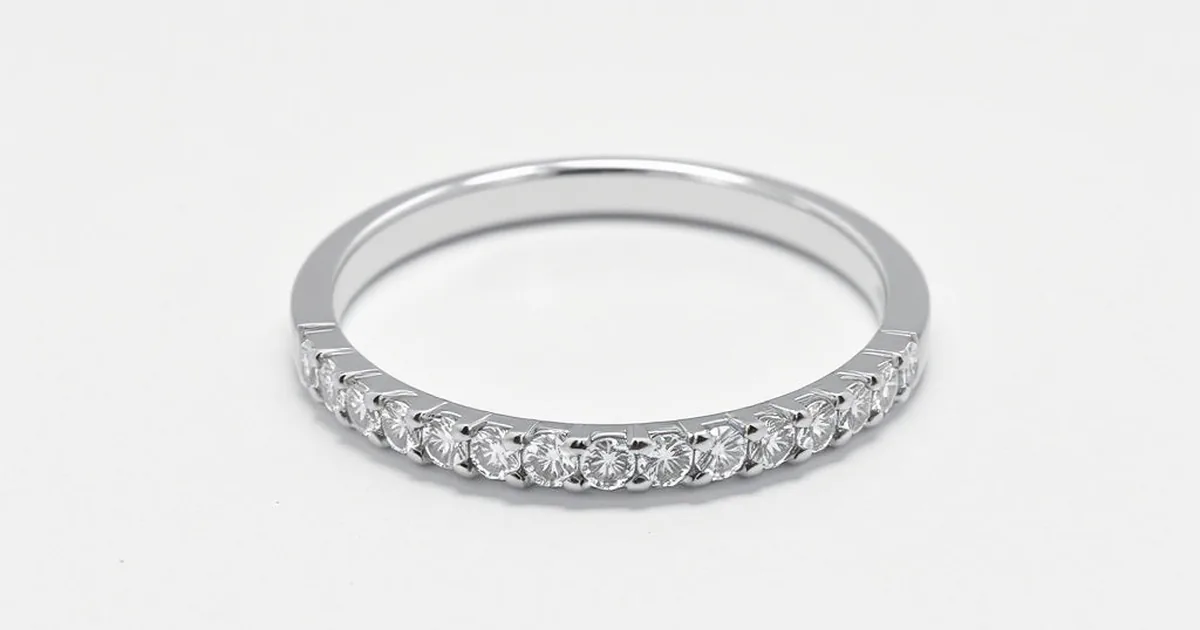
925 sterling silver is a precious metal at an accessible price — and on rings, its one weakness shows: silver tarnishes, faster with wear because skin chemistry accelerates it. A tarnished silver band polishes back perfectly (a polishing cloth, thirty seconds), but it wants that attention monthly. Our silver curved moissanite bands suit wearers who enjoy the ritual, or who want the look while saving for solid gold.
Tungsten carbide is the hardest metal used in rings — four times harder than titanium, scratch-proof in any normal life. A black tungsten band with black moissanite looks exactly on year ten as on day one: no scratches, no polishing, no story of wear. The trade-offs are real: tungsten cannot be resized (finger changes, ring replaces), and it can shatter rather than bend under extreme impact. For men who want a band that ignores abuse, it is the market's best answer at $200.
14K gold: lifetime material, resizes and repairs, $350–$475 for moissanite bands.
Gold-plated silver: gold look, re-plates eventually, $180–$250.
Sterling silver: precious metal, polishes monthly, $120–$275.
Tungsten carbide: scratch-proof, never resizes, $200.
Metal choice is also a skin question. Nickel — present in some gold alloys and cheap silver — is the most common jewelry allergen; sensitive wearers should look for nickel-free or low-nickel alloys, or move to tungsten carbide (nickel-free, hypoallergenic) or high-purity gold. The tell is quick: itching, redness or a rash under the band within days of wear. Platinum is the hypoallergenic premium; tungsten is the hypoallergenic value — one reason the tungsten men's bands suit skin that reacts to everything else. Plated pieces sit at the bottom of the sensitivity list: once plating wears, the base metal touches skin directly.
Purchase price is the entry; ownership cost completes the math. 14K white gold wants rhodium re-plating every 2–4 years ($40–$80 each) — yellow gold wants nothing. Sterling silver wants polishing cloths ($10 a year) and anti-tarnish storage. Gold-plated bands want re-plating every 3–5 years as the base metal peeks through ($30–$50). Tungsten wants literally nothing — but cannot resize, so a finger change means a new band. Over twenty years, the $475 solid gold band and the $200 tungsten band converge to similar total cost — which reframes the purchase: gold is prepaying for permanence, tungsten is paying as you go for indestructibility, and silver is the installment plan with a polishing ritual attached.
Hands in water, gloves or gym daily: tungsten — it ignores everything. Hands that want tradition and resale: 14K gold. Budget-conscious with an eye for shine: gold-plated or silver, with the care ritual. And the honest note: many couples mix — gold for her eternity band, tungsten for his — because the metals answer different hands' lives. Browse the men's tungsten bands and the gold eternity styles to feel the difference in price and promise.
Choose metal for the life the hand lives: gold for the long game, tungsten for the no-maintenance game, silver for the ritual. The stone sparkles either way — the metal is what you will feel every day for fifty years.